Introduction to Wildlife Bioacoustics
- Start Date: April 06, 2027
- End Date: April 08, 2027
- City: Revelstoke BC
- Venue: Classroom venue TBD
- Instructor: Tyne Baker
- Registration opening soon
Course description
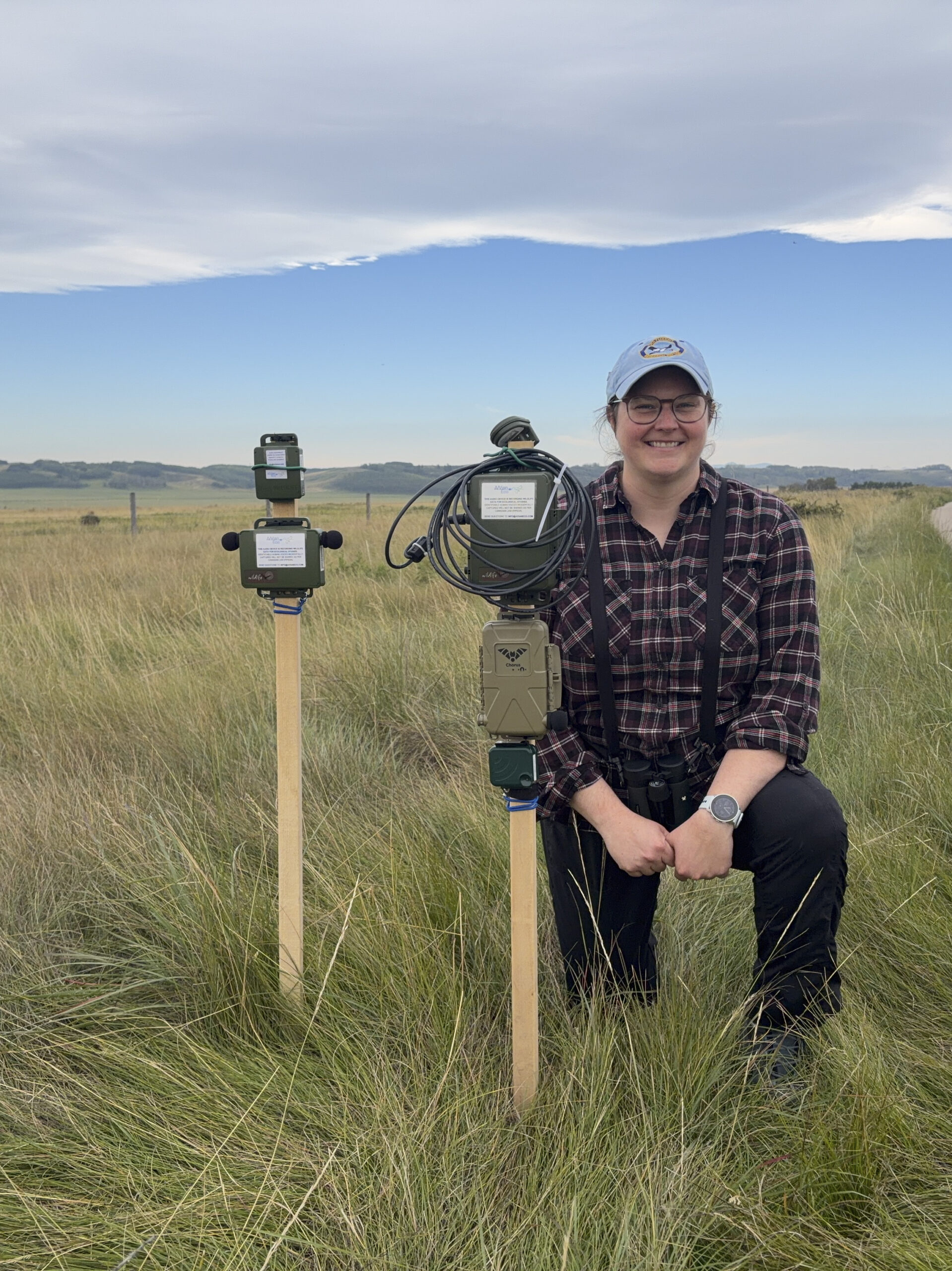
Advancements in data capture and processing have many biologists excited about the opportunities to assess biodiversity at large geographic and time scales. Automated audio recording technology and software have expanded significantly in usability and popularity over the last two decades. This technology can increase data capture, lower survey costs, reduce observer effect, enhance field safety, and build long-term datasets. However, establishing bioacoustic monitoring programs can be daunting: what equipment to invest in, how to manage large-scale datasets, privacy and legal frameworks, and complex new technical aspects which can lead to steep and sometimes unforgiving learning curves.
The goal of this course is to introduce attendees to planning, field optimization, data management, and analysis practices that optimize data capture for terrestrial wildlife (e.g. birds, anurans, insects, and mammals including bats). This three-day classroom-based course will provide the base knowledge to avoid common acoustic monitoring pitfalls, and allow students to interact with common analysis software (e.g. kaleidoscope, audacity, BirdNet) and recording devices (e.g. Song Meters, AudioMoths) under the guidance of an experienced instructor.
Practice acoustic data sets will be provided for use during and after the course.
Participants will:
- Learn acoustic physics and animal behaviour basics,
- Understand the difference between audible and ultrasonic recordings,
- Pan surveys and equipment selection,
- Understand equipment programming and maintenance,
- Practice best placement for clear recordings,
- Review acoustic data for errors and quality,
- Build dataset management,
- And try out simple to advanced acoustic analysis techniques.
Couse objectives:
- Provide background knowledge of acoustics physics and animal communication.
- Learn how to design and plan bioacoustic surveys.
- Learn field best practices to ensure safe and effective deployment of devices.
- Develop good data management habits and systems.
- Acquaint participants with acoustic analysis software and equipment at a variety of price points and utilities.
- Practice with expert feedback and support.
Course schedule:
- Day 1: 9am – 5pm
- Day 2: 9am – 5pm
- Day 3: 9am – 3pm
- A more detailed schedule available upon request
Who is this course for?
Similar course offerings have been attended by:
- Students or early career scientists looking to improve their resumes,
- Mid-career biologists looking to implement new technologies or expand offerings,
- Project managers or industry environment leads looking to understand their technical staff or consultant’s recommendations,
- Regulators keeping up to date on techniques used in project proposals.
- Not-for-profit organizations super-charging data collection with small teams or volunteer support.
- First Nations Led organizations building local capacity for consultation and conservation projects.
Our instructor
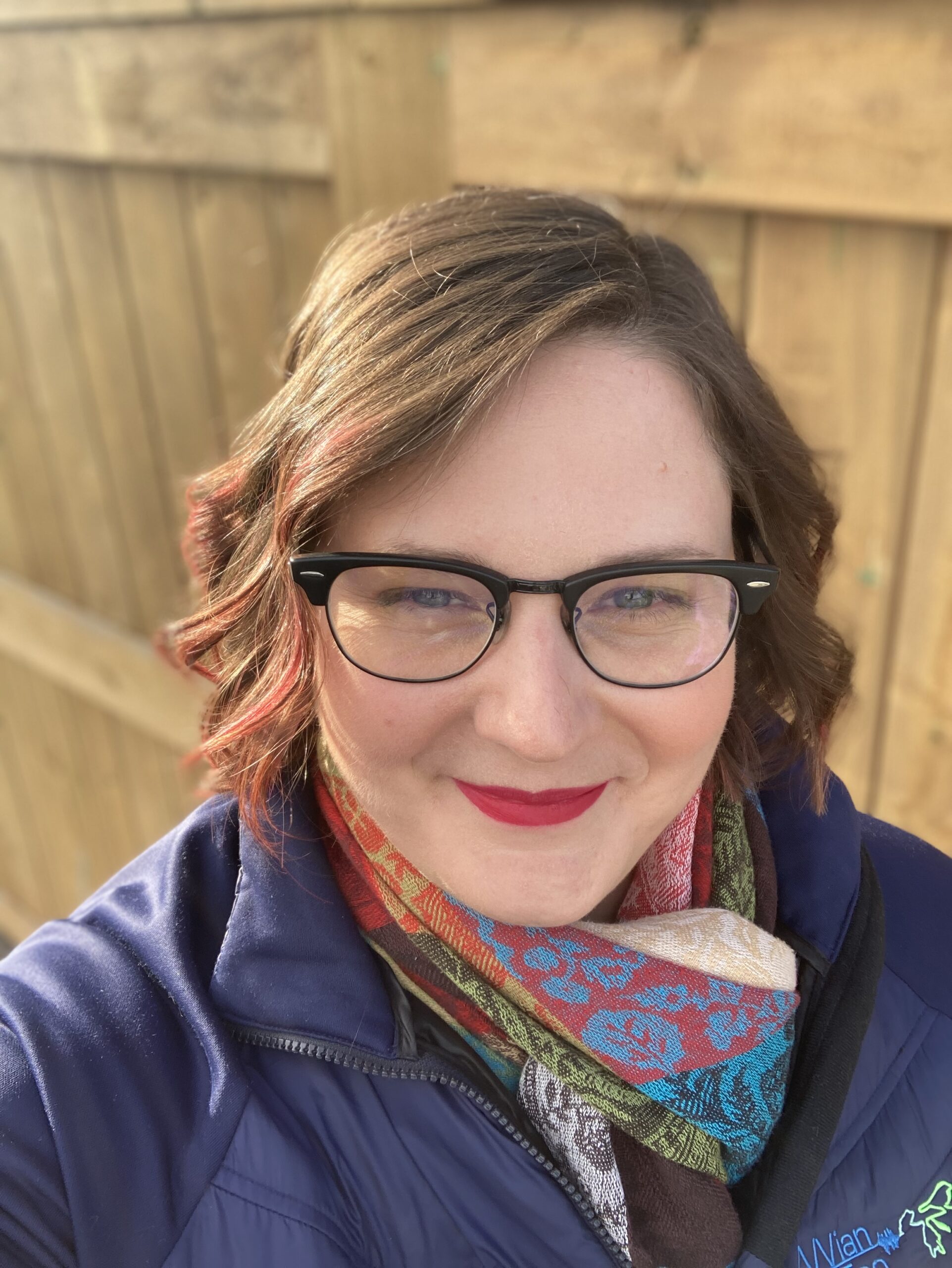
Tyne Baker has been digitally eavesdropping on animals since 2009. Her Masters from the University of Windsor focused on Animal Communication and Behavioural Ecology. Through her career Tyne has developed acoustic monitoring programs for academics, NGOs, private landowners, and industry with projects ranging from local to international. Tyne teaches others to use remote detection tools through public, professional, and internal course offerings and program support. As the owner of A/Vian Ecological Consulting her primary goals are to make technology accessible to conservation practitioners and support well-informed environmental decisions.
For more information vist the A/Vian Eco website, or feel free to contact Tyne directly via tyne.baker@avianeco.com.
Preparation and what to bring
Equipment
- Laptop* with charging cable
- SD card reader
- Headphones
- Warm and waterproof layers as needed for outdoor segment of the course
Software
- Participants are required to download the following free versions of software:
- Computer
- Audacity
- Kaleidoscope Lite*
- SM4 Configurator Tool*
- AudioMoth Config App
- BirdNET-Analyzer
- *Participants may need to create a Wildlife Acoustics account, free of charge, to download the starred software.
- Phone or Tablet
- SongMeter App (Apple App Store or Google Play)
- AudioMoth Chime App
Resources
- If participants have a specific device they plan to use on their own project, reviewing and bringing the relevant user manual can help.
- This course will briefly discuss bat acoustics and analysis, however if participants are highly interested in bats Tyne recommend starting by reviewing the NABat Plan or the BC RISC Standard for Bats.
- Resources discussed in the course and other helpful sites are linked under avianeco.com/resources.
What is included with the course?
- 3 device types will be provided for hands-on use (AudioMoth, SongMeter mini, SM4FSBat) as well as other sample equipment such as song meter micro, titley scientific swift, SPL meter, multimeter, and/or focal recording equipment.
- Datasets and and pre-completed advanced analysis for review and practice.
- Registered students will receive the course slide-deck as a PDF after the course and all resources mentioned are on avianeco.com/resources.
- A certificate of completion will be provided to assist in claiming professional development credits
- A brief outdoor deployment component; the course is primarily classroom-based.
Registration
Registration for this course will include catered breaks and an option to add a bagged lunch for day 2. Lunches and all catering supplied by La Baguette.
*CMI memberships may be purchased upon registration – read more about CMI membership here.
Registration opening soon. To be notified when we open registration email office@cmiae.org
Where to stay?
Basecamp Revelstoke: various locations and discounted room rates available to CMI registrants.
- Discount code of 15% via the online booking tool using the promo code “CMI”
- Basecamp Resort: Just outside of town towards Revelstoke dam. River-side rooms have great views. About a 10min drive to the classroom venue
- Basecamp Suites: A new build downtown Revelstoke, easy walk to classroom location
- Northwinds Hotel: A recently acquired hotel in the Farwell area of town, relatively easy walk to the downtown area and classroom location.